I. A Realization: We “Use Up a Tree” Every Day
For a long time, I gave little thought to the environmental impact of paper. It was just an everyday commodity—use it, toss it, buy more. The cycle felt natural, and I never stopped to consider where it actually came from.
It wasn’t until I began exploring “zero-waste” and low-carbon lifestyles that I seriously considered the implications of the paper we consume daily.
When you tally up everyday items like toilet paper, paper towels, and tissues, the rate of consumption is staggering. Most of these products rely on wood pulp, driving deforestation and water depletion, not to mention the unavoidable environmental costs of industrial papermaking.
That was the moment I realized a simple yet stark truth: we aren’t just “using paper”; we are continuously depleting natural resources.
II. The Environmental Cost of Traditional Wood Pulp Paper Is More Complex Than I Imagined
After digging deeper, I discovered that the environmental cost of traditional paper production is far higher than one might intuitively think.
First, there is the issue of raw materials. Many paper products rely on wood pulp, necessitating the continuous harvesting of forests. In some regions, meeting the paper industry’s demand leads to large-scale monoculture plantations—such as eucalyptus forests. While these methods boost yields, they create a simplistic ecological structure that is detrimental to biodiversity.
Then there is the resource consumption involved in production. Papermaking is inherently water- and energy-intensive; it also generates industrial wastewater that, if improperly managed, puts significant strain on water sources.
Another often-overlooked factor is transportation and packaging. Many paper products undergo multiple stages of transport before reaching our homes, and individual plastic packaging further contributes to plastic waste.
Connecting these dots helped me truly understand why reducing paper waste is considered a crucial step toward an eco-friendly lifestyle.
III. Why I Turned to Bamboo Fiber Instead of Traditional Wood Pulp
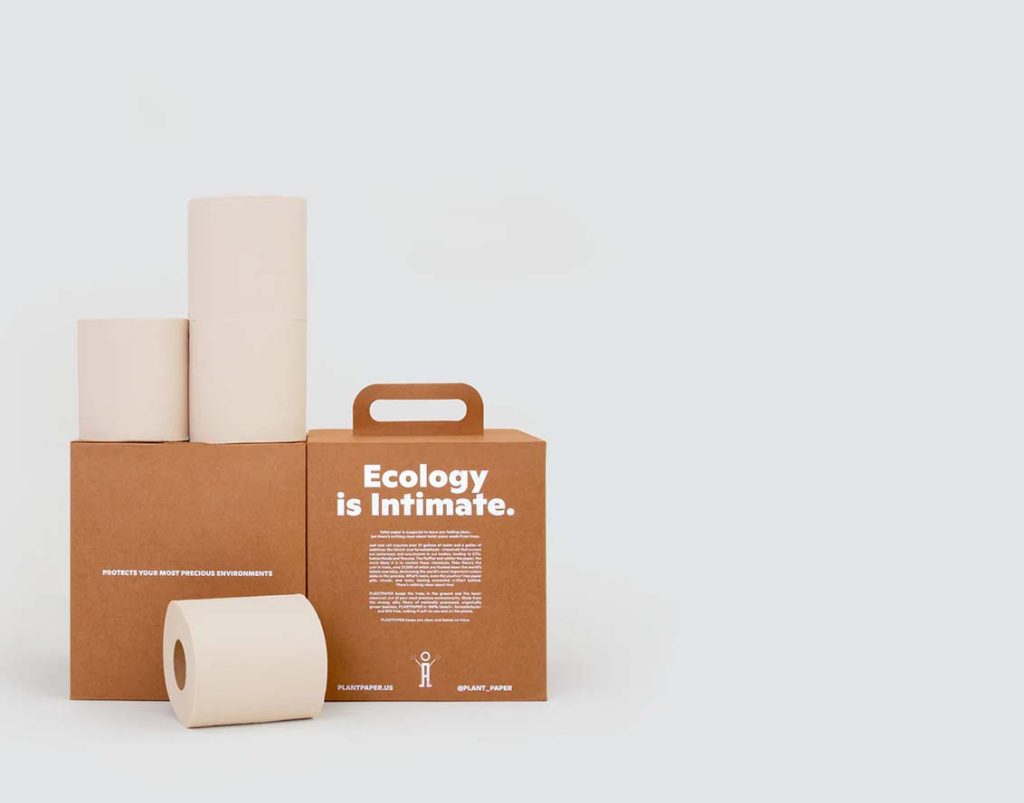
While searching for alternatives, a specific term caught my attention: bamboo fiber. What initially drew me in wasn’t the “eco-friendly” label, but rather the way the plant grows. Bamboo is incredibly fast-growing; under the right conditions, it regenerates rapidly, bypassing the long growth cycles required by trees.
More importantly, it places relatively low demands on land and resources during growth—requiring neither frequent fertilization nor complex maintenance—which gives it a distinct advantage in terms of sustainability.
Upon comparison, I realized a key distinction: traditional wood pulp relies on “slow-cycle resources,” whereas bamboo fiber is closer to a “fast-cycle resource.” This was one of the reasons I began paying attention to brands like PlantPaper.
IV.PlantPaper caught my eye not just for its materials, but for its “plastic-free end-to-end” approach
What truly convinced me that this brand goes beyond mere “material-level eco-friendliness” is how it manages the entire process.
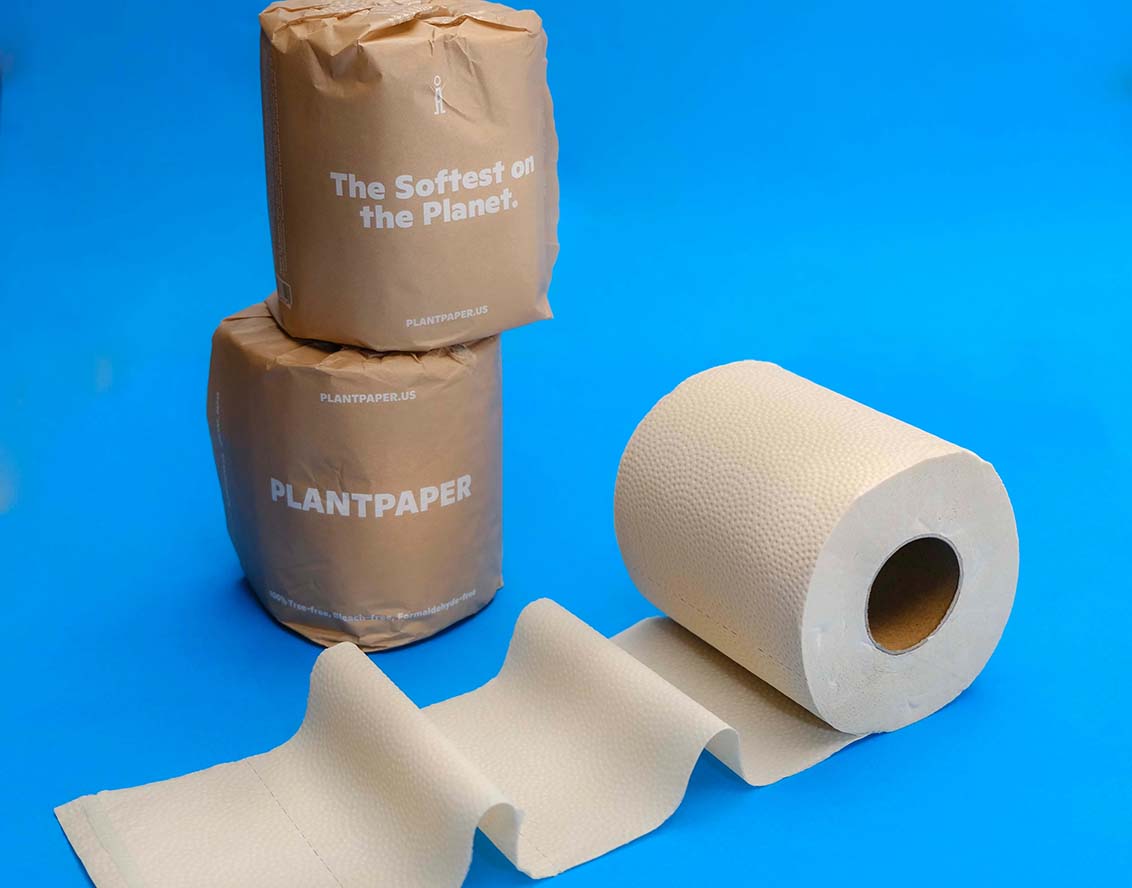
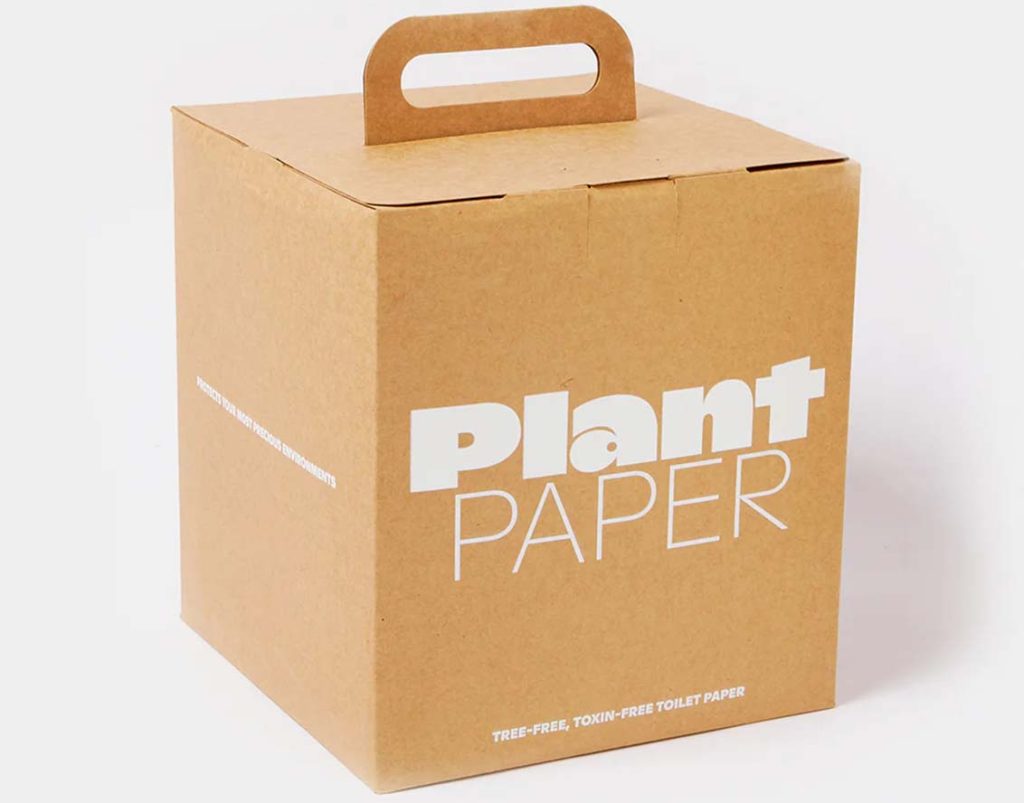
It emphasizes not only the use of bamboo fiber but also the minimization of plastic throughout the supply chain. From production and warehousing to shipping and packaging, the brand avoids single-use plastics wherever possible, opting for recyclable cardboard boxes instead.
To me, the significance of this approach lies in the fact that it doesn’t just address the issue of the paper itself; it attempts to reduce the environmental burden across the entire usage chain. After all, true environmental friendliness isn’t just about the material—it’s about whether the entire system minimizes waste.
V.When I started calculating my “carbon footprint,” tissues emerged as an unexpected focal point
I had never previously considered that a seemingly trivial household item like toilet paper could account for a significant share of one’s carbon footprint.
However, I later realized that a household’s long-term use of traditional paper products represents a continuous source of resource consumption—spanning raw materials, production, transportation, and packaging. In contrast, bamboo fiber products like PlantPaper are said to reduce carbon emissions over their lifecycle and generally consume fewer resources than traditional wood pulp products.
Of course, the exact figures vary depending on production methods, but the trend is clear: faster-growing raw materials + less plastic + a shorter resource chain = a lower environmental burden.
This shifted my perspective on the significance of swapping out everyday household items. It doesn’t necessarily require a massive lifestyle overhaul; instead, it can be a consistent, incremental step toward reducing one’s carbon footprint.
VI. The real reason I’m sticking with it: It doesn’t disrupt my lifestyle
The problem with many eco-friendly products is that they often require you to change your habits or compromise on convenience. In my experience, however, PlantPaper didn’t disrupt my daily life at all.
It functions just like any standard paper product; there’s no learning curve, and it doesn’t interfere with established household routines.
This kind of “effortless swap” matters to me because sustainable living is hard to maintain in the long run if it becomes too complicated. A product is far more likely to become a permanent choice when it integrates naturally into your life rather than forcing you to alter your lifestyle.
VII. A new perspective: Low-carbon living isn’t about extreme changes, but swapping everyday choices
Before trying PlantPaper, I viewed “low-carbon living” as something extreme—involving things like cutting back on travel, drastically changing my diet, or strictly limiting consumption.
Now, I see it differently: low-carbon living doesn’t require grand gestures; it can start with simple swaps of everyday essentials. Seemingly mundane items like facial tissues, toilet paper, and paper towels are actually the easiest entry points for a low-carbon lifestyle. They are used frequently, yet switching to a greener alternative comes at little cost or inconvenience.
When you start making changes in these small ways, eco-consciousness stops being a burden and evolves into a natural, sustainable habit.
VIII. Why I continue to choose PlantPaper for my household
Looking back, the reason I chose PlantPaper is actually quite simple.
It didn’t require me to change my pace of life or sacrifice convenience, yet it allowed me to reduce hidden resource consumption and plastic reliance in my daily routine. More importantly, it made me realize a simple truth: environmentalism doesn’t have to be about grand, sweeping actions—it can simply be a series of small choices we make every day.