I. Initial Skepticism: Is Eco-Friendly Paper Really Worth the Switch?
To be honest, I had plenty of doubts before I actually started trying PlantPaper.
When I saw terms like “bamboo fiber toilet paper,” “plastic-free packaging,” and “eco-friendly alternative,” my first reaction wasn’t excitement—it was skepticism. I had tried so-called eco-friendly tissues in the past, and the experience hadn’t been great; they were often too rough, prone to shedding lint, or fell apart the moment they got wet. Eventually, I always quietly switched back to regular tissues.
So, my hesitation this time stemmed from very practical, everyday concerns:
Would bamboo paper be stiffer?
Would it shed lint or paper dust?
Without plastic packaging, would it be more prone to dampness or getting dirty?
And the most critical question of all: Did “eco-friendly” inevitably mean a higher price tag paired with an inferior user experience?
With these questions in mind, I embarked on a serious, long-term practical test.
II. The Real-World Experience with PlantPaper: More “Normal” Than Expected
Once I actually started using it, my biggest takeaway was that it didn’t “act” eco-friendly—it simply felt like a standard, everyday product.
Softness and Skin Feel
The first thing I noticed was the difference in texture. It doesn’t try to emphasize “extreme softness,” yet it performs more reliably in actual use. Compared to some standard wood-pulp tissues or cheap recycled options, it doesn’t feel scratchy against the skin, nor does it leave behind lint or paper residue.
This lack of irritation is especially noticeable when my skin is sensitive. It doesn’t give you a sense of “luxury,” but rather a feeling of “ease”—it’s completely fuss-free.
Thickness and Durability: How the 3-Ply Structure Performs
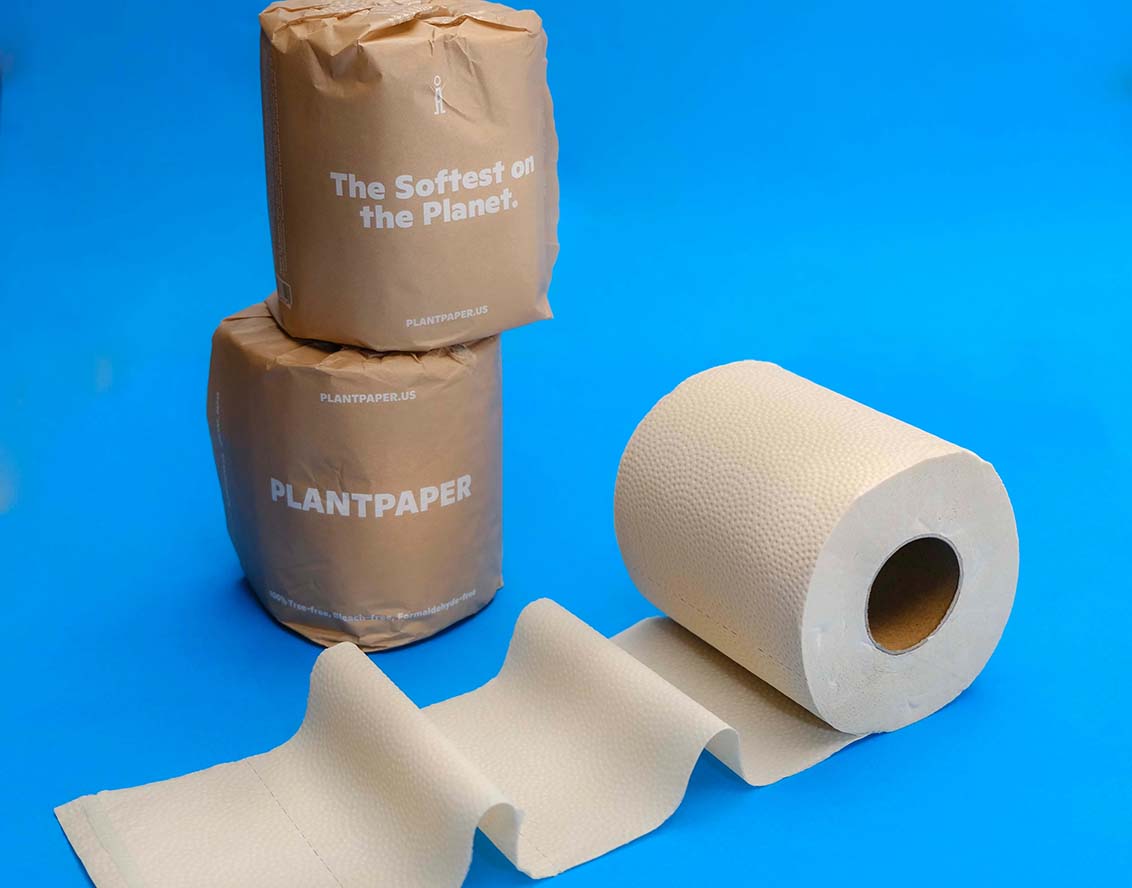
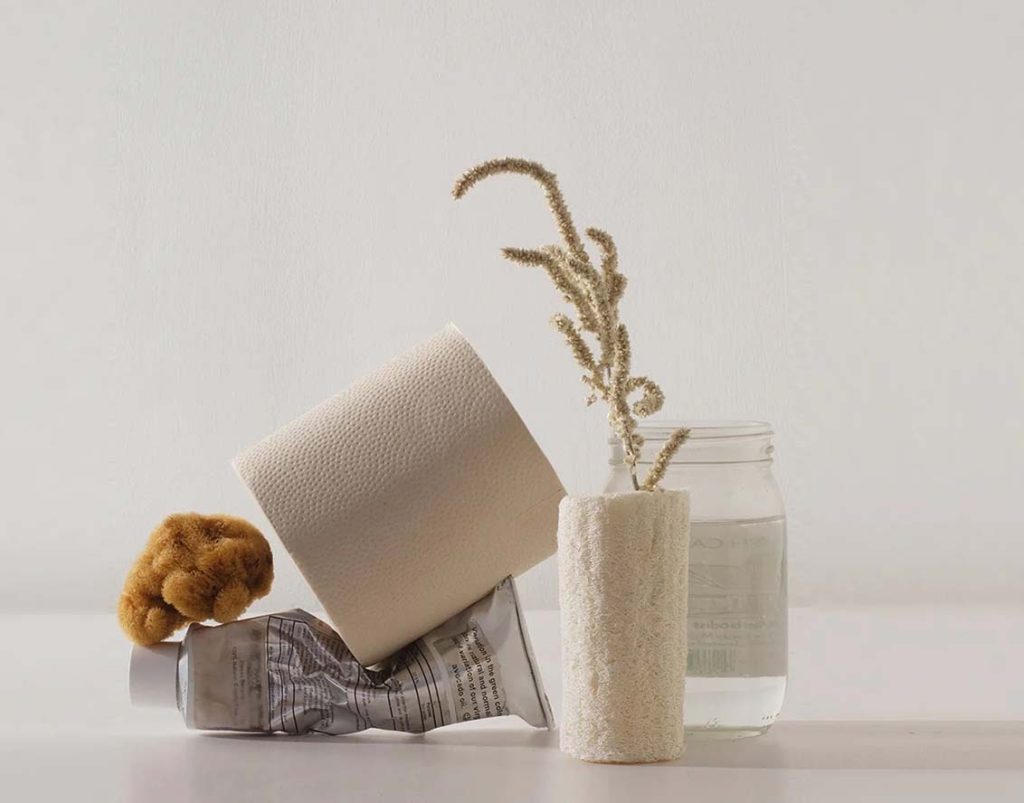
Structurally, it features a thick, three-ply design, and you can really feel the difference in daily use.
Whether used dry or slightly damp, it remains stable and doesn’t tear easily during wiping. Compared to thinner tissues, it is better suited for household needs—like daily cleaning or quick wipe-downs—and is sturdy enough to handle the demands of a home with children.
The durability it offers isn’t about being “tough” in a harsh way; it’s about being reliable.
Kitchen Performance: More Practical Than Expected
I was pleasantly surprised by its performance in the kitchen.
It features a structural design similar to the TAD (Through-Air Drying) process, offering a balanced performance in absorbing both oil and water without disintegrating quickly. Whether wiping up grease, cleaning countertops, or handling food, it stands up to repeated wiping without falling apart immediately.
This is actually a crucial point; many eco-friendly paper products tend to degrade noticeably in kitchen settings, whereas PlantPaper holds up remarkably well.
Storage Experience: Plastic-Free Packaging Actually Feels “Cleaner”
My biggest initial concern was the packaging—would the lack of plastic wrap make it more prone to getting dirty or damp?
The reality turned out to be quite the opposite.
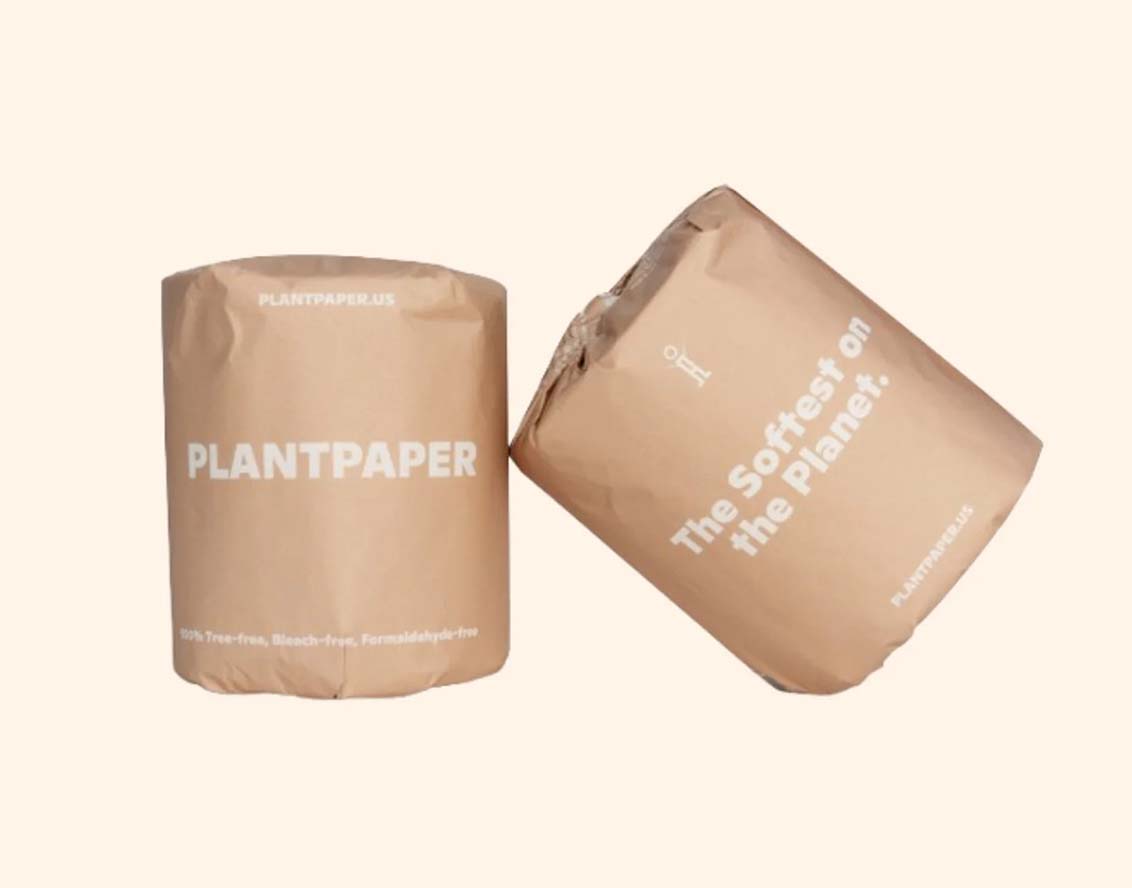
It uses all-paper carton packaging without individual plastic wraps, meaning each roll is stored in its natural state. Because there is no plastic seal, it avoids that “stifled” odor; the product feels more natural and clean when opened.
Under normal household storage conditions, it is no more prone to issues than traditional paper rolls.
III. What Sets It Apart from Ordinary Eco-Friendly Paper?
After using it for a while, I realized there is a fundamental difference between PlantPaper and the eco-friendly paper products I’ve used in the past.
Many eco-friendly papers focus solely on sustainability, often at the expense of the actual user experience.
PlantPaper, however, aims to achieve something else: striking a balance between environmental friendliness and everyday usability.
More importantly, it meets more comprehensive safety standards—emphasizing the absence of PFAS, bleach, and plastic packaging, while utilizing bamboo fiber as a raw material.
This gives me the impression that it isn’t just optimized in a single dimension, but is a product that considers safety, sustainability, and usability holistically.
IV. Who Is PlantPaper Best Suited For?
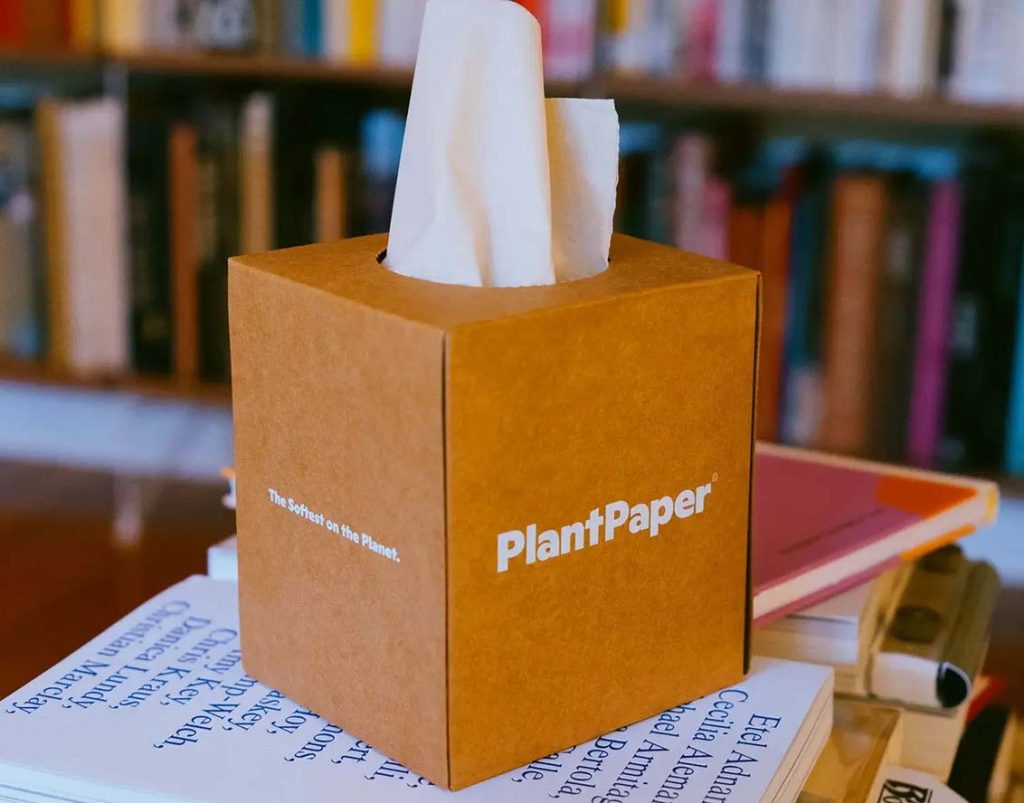
From a purely environmental standpoint, it is certainly suitable for anyone looking to reduce plastic waste and their carbon footprint. However, based on my actual experience, I think it is particularly well-suited for specific groups of people.
For instance, households with children or individuals with sensitive skin—who prioritize the gentleness of materials they come into contact with daily—would appreciate it. It is also ideal for those sensitive to chemical additives who value transparency regarding product ingredients. Moreover, if you are already pursuing a zero-waste lifestyle or low-carbon household habits—or simply want to cut down on single-use plastics—this product serves as an alternative that doesn’t add a burden to your daily life.
For renters or campers, too, these paper products—which don’t rely on complex packaging—are far more convenient to store and use.
V. External Feedback and the Consensus I Observed
After doing some further research, I noticed a consistent trend in the feedback.
Many users didn’t just cite “eco-friendliness” as a key point; they highlighted specific aspects of the user experience—such as superior cleanliness, gentleness on the skin, a lack of lint or residue, and minimalist packaging design.
Interestingly, many people also mentioned that the product creates a tidier, more aesthetically pleasing look in the home. This goes beyond mere functionality; it represents a choice regarding one’s lifestyle.
VI.Not Just “Greener Paper,” but a “More Complete Paper Product”
After using it for a while, my perspective on PlantPaper shifted.
Initially, I viewed it merely as an eco-friendly alternative, but I’ve come to see it as a more comprehensive solution for everyday paper needs.
It doesn’t aim to push any single attribute to the extreme; instead, it strikes a balance across multiple dimensions: it avoids compromising the user experience while minimizing environmental impact, all while maintaining high standards of transparency regarding ingredients and packaging.