I. When I First Realized Toilet Paper Might Not Be “Clean”
To be honest, for a long time, I never associated toilet paper with health risks. It is such an everyday item—used daily—that I never thought to examine its ingredients.
That changed when I started experiencing recurring minor skin issues, particularly in intimate areas and skin folds, where I frequently felt slight redness and discomfort. Initially, I suspected my laundry detergent, skincare products, or diet, so I kept switching products, yet the situation didn’t significantly improve.
Then, I stumbled upon information stating that PFAS (“forever chemicals”) could be present in certain everyday paper products. This made me seriously question—for the first time—whether the toilet paper we use every day was as harmless as I had assumed.
These substances are characterized by their persistence; they do not break down easily, remain in the environment for a long time, and can enter the human body through prolonged contact. While not all products have this issue, the realization that a product touching our skin so intimately every day might harbor potential chemical residues creates a very real sense of unease.
II. Rethinking Toilet Paper: An Overlooked Everyday Essential
After that, I began to carefully examine the ingredient lists on toilet paper packaging. In the past, I had only focused on qualities like softness, thickness, and whiteness. Now, however, I started noticing details I had previously ignored—such as bleaching processes, added fragrances, and various whitening treatments.
Many products claim to be made from “virgin wood pulp” or are marketed as “soft and non-irritating,” yet they often undergo complex industrial processing. Bleaching agents and additives, in particular, may appear to “enhance quality” on the packaging, but from a health perspective, they aren’t necessarily essential.
More importantly, when a product comes into prolonged contact with the skin of infants, sensitive skin, or even the body’s most delicate areas, its simplicity and purity matter far more than whether it is whiter or more fragrant.
III. Why I Started Paying Attention to PlantPaper
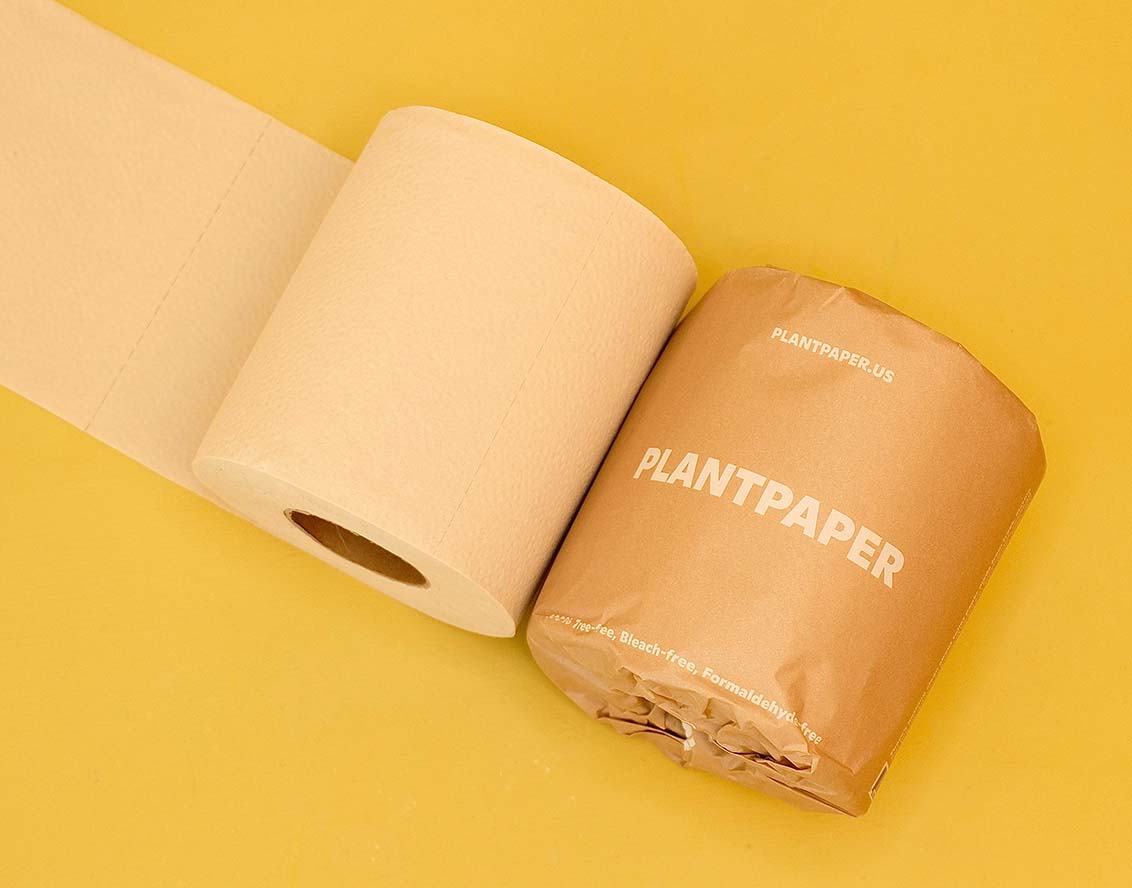
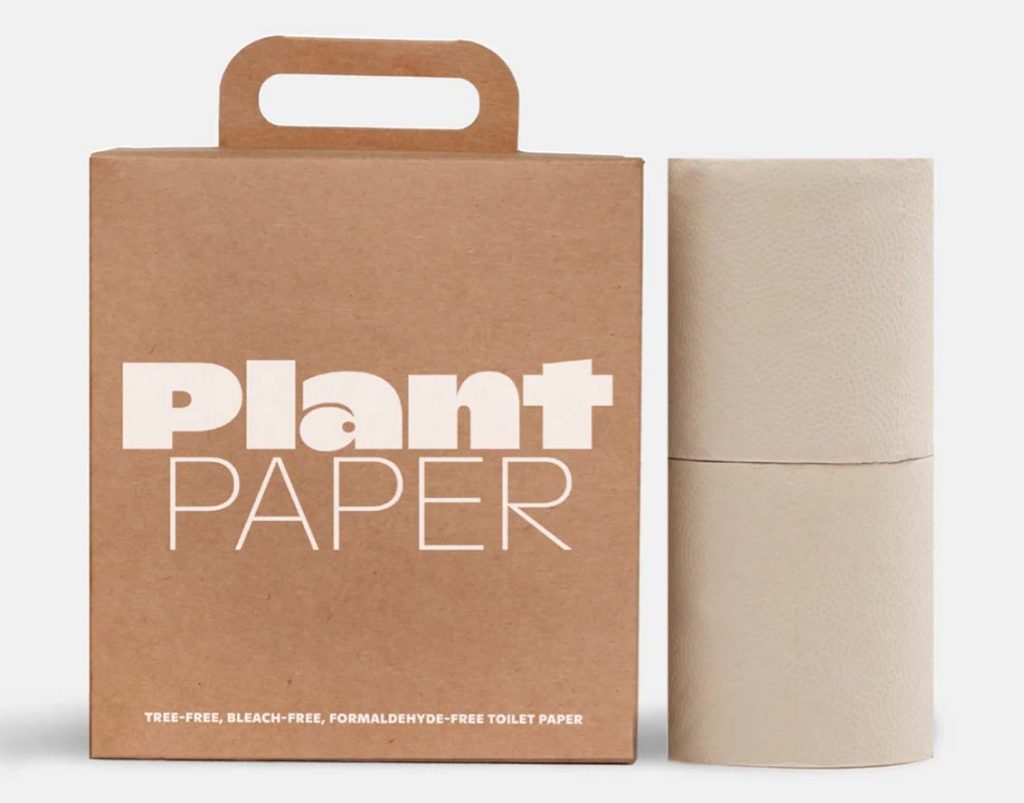
While searching for alternatives, I came across PlantPaper. What initially drew me in wasn’t the marketing copy, but the brand’s emphasis on ingredient transparency. It explicitly states that its entire product line is free from PFAS, bleach, and added formaldehyde, as well as fragrances and dyes. This “minimalist ingredient philosophy” suggests to me that they are defining everyday paper products using stricter standards.
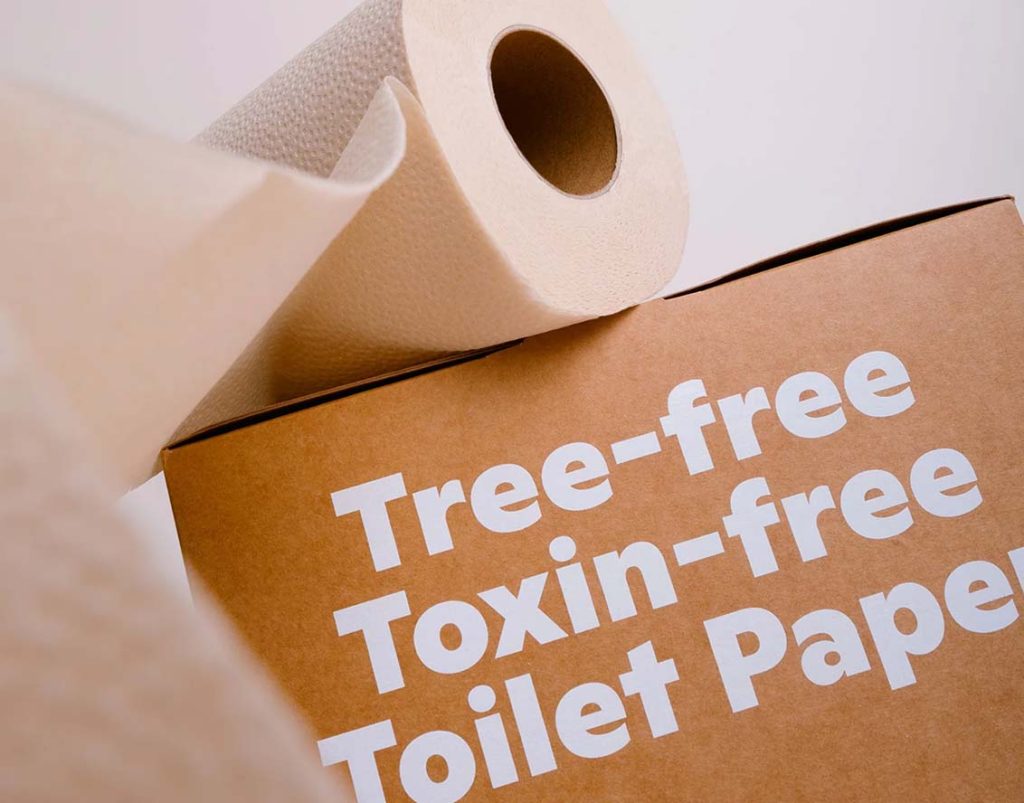
I was also drawn to the fact that it uses 100% unbleached, FSC-certified bamboo fiber. Compared to traditional wood pulp, bamboo is a more renewable raw material; the “unbleached” aspect means the material retains its natural state as much as possible, minimizing additional chemical processing.
To me, this approach isn’t about claiming to be “premium” or “high-end,” but rather about emphasizing “fewer additives.”
IV. What really made me want to try it was its positioning for sensitive users
I have sensitive skin myself, so I’ve always been skeptical of claims like “suitable for sensitive skin.” In my experience, such labels are often just marketing buzzwords rather than strict product standards. Many products claim to be “gentle and non-irritating,” yet in practice, the difference isn’t always noticeable.
That’s why, when I first saw PlantPaper emphasizing that it was “suitable for sensitive skin, pregnant women, and households with infants,” I wasn’t immediately interested; instead, I approached the claim with some reservation, wanting to understand what it really meant.
However, what made me take the product seriously was its specific positioning. It didn’t make a vague claim about being “suitable for everyone”; instead, it targeted groups that are more vulnerable to external irritants—such as infants, pregnant women, and people with compromised skin barriers or eczema.
This logic is crucial. In consumer product design, if a product is developed with “sensitive users” as the baseline from the start, the standards for raw materials, processing, and additive control are usually much stricter than those for ordinary household goods. This strictness isn’t just a marketing claim—it’s a requirement that must be genuinely implemented during production.
In other words, the goal isn’t merely to “try to be gentle,” but to operate on the fundamental premise that the product “must not place an additional burden on sensitive users.”
V. Actual usage experience: “No irritation” matters more than “extra softness”
After using PlantPaper, my most immediate impression wasn’t that it was “softer” or “thicker,” but rather a single feeling: peace of mind. This sense of “peace of mind” is actually difficult to describe using a single physical metric; it stems not from any one obvious advantage, but from the stability of the overall user experience. You don’t encounter sudden discomfort during use, nor do you begin to question the product itself due to minor skin reactions.
If I had to break down this experience, the first thing I noticed was how my skin reacted. With ordinary tissues, even those that looked soft on the surface, I would often feel a slight stinging or dry, abrasive sensation after wiping—especially when my skin was already sensitive. PlantPaper, however, performs consistently in this regard; it causes no additional irritation, ensuring a smooth, gentle experience throughout.
Another noticeable difference is the purer sense of cleanliness after use. Some tissues leave behind tiny paper fragments—residue that becomes particularly obvious in humid conditions or after repeated wiping. While this might not affect functionality, it creates a psychological impression of not being truly clean. PlantPaper, with its tighter structural integrity, produces virtually no lint or shedding, a detail that directly enhances the overall feeling of cleanliness.
There is also a subtle yet crucial factor: scent. Many tissues carry a faint fragrance—whether intentionally added or a byproduct of processing—but for sensitive individuals, this “extra olfactory input” can itself be a source of irritation. PlantPaper takes a restrained approach here; it is virtually odorless, ensuring no scent-related interference during use. This “unobtrusive” quality actually makes it easier to relax.
VI. Re-evaluating “Safety in Household Essentials”
As I’ve continued to use the product, my perspective on everyday household items has gradually shifted. I used to prioritize visual cues of cleanliness—such as whiteness, softness, or fragrance—but now I focus more on ingredient simplicity, transparency, and the minimization of unnecessary chemical processing.
This “invisible standard of safety” becomes especially important when there are children or family members with sensitive constitutions in the home. While the impact may not be immediately visible, it can influence physical well-being over the long term.
VII. Paper Can Be a “Healthy Choice”
In a way, PlantPaper has redefined what toilet paper means to me. It is not merely an everyday item, but rather a fundamental health product designed for prolonged contact with the skin.
Its focus is not on “greater luxury,” but on “less burden.” This perspective made me realize that many of our daily choices could actually be simpler—provided we are willing to re-examine them.